Introduction
Delft University of Technology, commonly known as TU Delft, is the oldest and largest technical university in the Netherlands. It is internationally recognized for excellence in engineering, technology, scientific research, and innovation. Located in the historic city of Delft, the university has built a reputation as one of the world’s leading institutions for engineering education and research. Every year, thousands of students from more than 120 countries choose TU Delft because of its world-class academic programs, cutting-edge laboratories, internationally respected faculty, and strong industry partnerships.
Established in 1842, TU Delft has played a major role in advancing engineering, architecture, computer science, aerospace technology, sustainable energy, environmental science, robotics, and artificial intelligence. Its graduates have contributed to major technological developments in transportation, healthcare, renewable energy, space exploration, water management, and digital innovation.
The university combines a strong academic tradition with modern teaching methods that emphasize practical learning, interdisciplinary collaboration, and research-based education. Students benefit from project-based learning, innovation challenges, laboratory experience, and opportunities to work with international companies and research organizations.
TU Delft consistently ranks among the top engineering and technology universities in Europe and the world. Its commitment to sustainability, innovation, and global collaboration makes it one of the most attractive destinations for students pursuing careers in science, engineering, architecture, and technology.
History of TU Delft
Delft University of Technology was founded in 1842 by King William II of the Netherlands as the Royal Academy for the education of engineers and civil servants. The institution initially focused on training professionals for infrastructure, public works, and engineering projects that supported the country’s economic growth.
Over the following decades, the academy expanded its academic offerings and research activities. In 1905, it officially became the Technische Hogeschool Delft, gaining university status and the authority to award engineering degrees. Later, it adopted the name Delft University of Technology, reflecting its broader focus on science, engineering, and technological innovation.
Today, TU Delft is recognized as one of Europe’s most prestigious technical universities, producing influential engineers, researchers, entrepreneurs, architects, and innovators who contribute to solving global challenges.
University Overview
- Official Name: Delft University of Technology
- Common Name: TU Delft
- Established: 1842
- Type: Public Research University
- Location: Delft, Netherlands
- Academic Calendar: Semester System
- Language of Instruction: Dutch and English
- International Students: Thousands from over 120 countries
- Specialization: Engineering, Technology, Design, and Applied Sciences
Why Choose TU Delft?
TU Delft is widely recognized for combining academic excellence with practical engineering education. Students learn through real-world projects, advanced laboratories, and close collaboration with industry experts.
- One of the world’s leading engineering universities.
- Excellent reputation for research and innovation.
- Highly qualified international faculty.
- Modern laboratories and research facilities.
- Strong partnerships with global technology companies.
- Excellent graduate employment opportunities.
- International learning environment.
- Wide range of English-taught master’s programs.
- Focus on sustainability and technological innovation.
- Extensive global exchange opportunities.
Global Rankings
TU Delft consistently performs exceptionally well in international university rankings, particularly in engineering and technology disciplines.
- QS World University Rankings: Frequently among the Top 50 universities worldwide.
- QS Engineering and Technology Rankings: Regularly among the world’s leading institutions.
- Times Higher Education World University Rankings: Highly ranked for research and teaching.
- Academic Ranking of World Universities (ARWU): Recognized for scientific excellence.
- One of the highest-ranked universities in the Netherlands.
Campus and Facilities
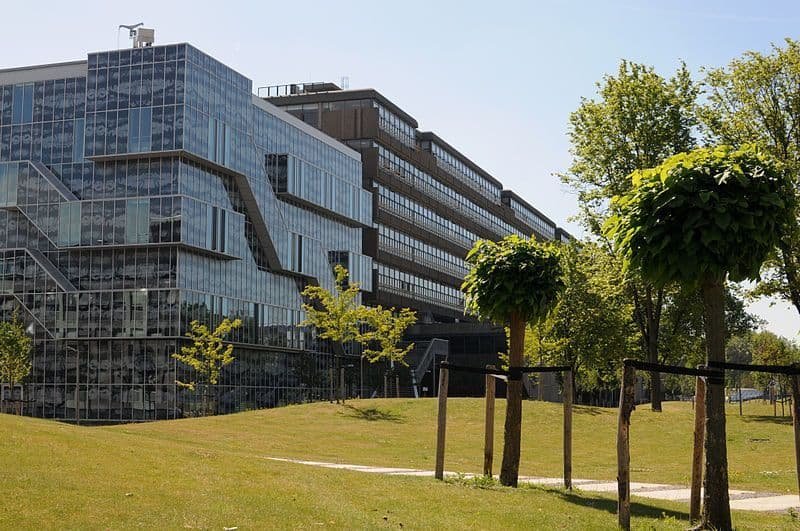
The TU Delft campus is one of the largest university campuses in the Netherlands. It features modern academic buildings, innovation centers, engineering laboratories, libraries, workshops, student housing, sports facilities, and research institutes.
Students have access to collaborative learning spaces, advanced computing facilities, maker spaces, design studios, robotics laboratories, wind tunnels, aerospace testing facilities, and sustainable energy research centers.
Academic Structure
TU Delft consists of several faculties specializing in engineering, technology, architecture, and applied sciences.
Faculty of Aerospace Engineering
One of the university’s most internationally recognized faculties, offering education and research in aircraft design, space engineering, propulsion systems, aerodynamics, satellite technology, and aviation safety.
Faculty of Civil Engineering and Geosciences
Programs focus on structural engineering, transportation systems, water management, environmental engineering, hydraulic engineering, and geosciences.
Faculty of Mechanical Engineering
Students study robotics, manufacturing, energy systems, automotive engineering, materials engineering, and mechanical design.
Faculty of Electrical Engineering, Mathematics and Computer Science
This faculty provides education in artificial intelligence, cybersecurity, computer science, software engineering, electrical engineering, mathematics, quantum computing, and data science.
Faculty of Architecture and the Built Environment
Internationally respected for architecture, urban planning, landscape architecture, sustainable design, and building technology.
Faculty of Industrial Design Engineering
Students learn product design, user experience design, innovation management, sustainable design, and engineering design processes.
Faculty of Applied Sciences
Programs include biotechnology, nanotechnology, chemistry, physics, life sciences, and biomedical engineering.
Popular Academic Programs
- Aerospace Engineering
- Mechanical Engineering
- Civil Engineering
- Electrical Engineering
- Computer Science
- Artificial Intelligence
- Software Engineering
- Data Science
- Architecture
- Industrial Design Engineering
- Environmental Engineering
- Chemical Engineering
- Biomedical Engineering
- Applied Physics
- Mathematics
- Robotics
- Sustainable Energy Technology
- Marine Technology
- Nanotechnology
- Systems Engineering
Admissions
Bachelor’s Admission
Applicants are generally required to submit recognized secondary school qualifications, academic transcripts, proof of language proficiency, passport identification, and other supporting documents. Some programs may have additional mathematics or science requirements.
Master’s Admission
Applicants should hold a recognized bachelor’s degree in a relevant discipline. Many programs require a motivation letter, curriculum vitae, recommendation letters, and evidence of academic preparation.
Doctoral Admission
PhD candidates usually apply through funded research positions or research groups. Applicants generally submit a research proposal, academic transcripts, publications where applicable, and recommendation letters.
Language Requirements
English-taught programs generally require proof of English proficiency through IELTS, TOEFL, Cambridge English, or another accepted qualification. Dutch-language programs may require Dutch language proficiency.
Tuition Fees
Tuition fees vary depending on nationality, degree level, and program. Students should also budget for accommodation, health insurance, transportation, study materials, and living expenses in Delft.
Scholarships
- TU Delft Excellence Scholarship
- Justus & Louise van Effen Excellence Scholarship
- Holland Scholarship
- Erasmus+ Scholarship
- Faculty Scholarships
- Research Grants
- Industry Sponsored Scholarships
Research Excellence
TU Delft is internationally recognized for pioneering research in aerospace engineering, renewable energy, robotics, artificial intelligence, sustainable transportation, climate adaptation, water technology, quantum computing, biotechnology, and advanced materials.
The university operates numerous research institutes and collaborates with governments, multinational corporations, research organizations, and international universities to address global engineering and scientific challenges.
Students at undergraduate and postgraduate levels often participate in research projects, innovation competitions, and interdisciplinary engineering initiatives that provide valuable practical experience.
Industry Collaboration
TU Delft maintains close partnerships with leading companies in aerospace, automotive engineering, information technology, construction, renewable energy, healthcare, and manufacturing. These collaborations provide internship opportunities, research funding, and employment pathways for graduates.
Student Life
Student life at TU Delft is dynamic and internationally diverse. Students can join engineering societies, innovation clubs, sports teams, cultural organizations, entrepreneurship groups, volunteer programs, and academic associations.
The city of Delft offers a welcoming atmosphere with historic architecture, museums, canals, parks, cafés, and convenient transportation to Rotterdam, The Hague, and Amsterdam.
Accommodation
International students can apply for university-supported housing or private accommodation. Student residences generally provide furnished rooms, internet access, shared kitchens, study spaces, laundry facilities, and community areas.
Libraries and Learning Resources
The TU Delft Library is one of the university’s most iconic buildings. It provides access to millions of books, digital journals, engineering databases, research publications, multimedia collections, and collaborative study spaces. Students also benefit from advanced computing facilities and specialized engineering software.
Career Opportunities
Graduates of TU Delft are highly valued by employers worldwide. They pursue careers in aerospace companies, technology firms, engineering consultancies, construction organizations, renewable energy companies, government agencies, research institutes, automotive manufacturers, and international organizations.
The university’s career services support students through internships, career counseling, networking events, employer presentations, job fairs, and professional development workshops.
International Partnerships
TU Delft collaborates with hundreds of universities and research institutions across Europe, North America, Asia, Australia, and other regions. Students can participate in exchange programs, dual-degree opportunities, international research collaborations, and overseas internships.
Campus Facilities
- Advanced engineering laboratories
- Aerospace testing facilities
- Robotics laboratories
- Architecture design studios
- Innovation and entrepreneurship centers
- Modern libraries
- Computer laboratories
- Sports and fitness facilities
- Student accommodation
- Dining and retail services
- Health and counseling services
- High-speed campus Wi-Fi
Support for International Students
TU Delft provides orientation programs, visa guidance, housing assistance, academic advising, counseling services, language support, career development, health services, and cultural integration activities. These services help international students adjust to university life and succeed academically in the Netherlands.
Application Tips
- Review admission requirements carefully before applying.
- Prepare certified academic transcripts and certificates.
- Meet English language requirements.
- Write a strong motivation letter.
- Apply early for scholarships.
- Submit applications before official deadlines.
- Arrange accommodation as soon as admission is confirmed.
- Keep copies of all application documents for future reference.