Introduction
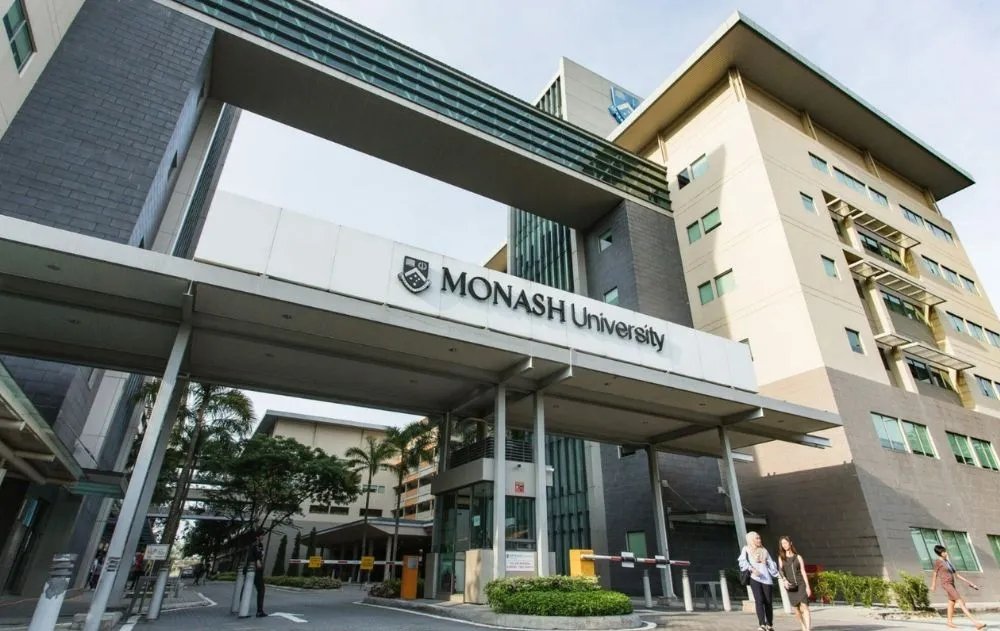
Monash University is one of Australia’s largest, most prestigious, and internationally recognized public research universities. Established in 1958, it has grown into a global institution with campuses in Australia and overseas, attracting students from more than 170 countries. The university is well known for its commitment to academic excellence, innovative teaching, groundbreaking research, and strong industry partnerships. Every year, thousands of international students choose Monash University because of its world-class education, diverse campus community, and excellent graduate employability.
Located primarily in Melbourne, Victoria, Monash University provides students with access to modern campuses, advanced laboratories, outstanding libraries, experienced faculty members, and numerous opportunities for research, internships, and international exchange. The university is consistently ranked among the best universities in Australia and the world, making it a preferred destination for students seeking high-quality education across a broad range of disciplines.
Monash University offers undergraduate, postgraduate, doctoral, and professional degree programs in fields including business, engineering, medicine, pharmacy, law, information technology, education, arts, science, architecture, health sciences, and environmental studies. Its interdisciplinary approach encourages students to combine knowledge from multiple fields, preparing them to solve complex global challenges.
As a member of Australia’s prestigious Group of Eight (Go8), Monash University maintains a strong focus on research and innovation. Researchers at the university contribute to major discoveries in medicine, renewable energy, artificial intelligence, biotechnology, public health, sustainable development, and engineering. This research-driven environment ensures students benefit from the latest scientific knowledge and technological advancements.
History of Monash University
Monash University was established by an Act of the Parliament of Victoria in 1958 and was named after Sir John Monash, one of Australia’s most respected military commanders, engineers, and public administrators. The university welcomed its first students in 1961 at the Clayton campus and quickly developed into one of Australia’s leading research institutions.
During the following decades, Monash expanded rapidly by establishing additional campuses, introducing new academic programs, and strengthening international collaborations. Today, it operates campuses in Australia as well as international locations and maintains partnerships with hundreds of universities, research organizations, hospitals, and industries around the world.
The university’s commitment to excellence has earned global recognition in higher education, research, innovation, entrepreneurship, and graduate employability.
University Overview
- Official Name: Monash University
- Established: 1958
- University Type: Public Research University
- Location: Melbourne, Victoria, Australia
- Main Campus: Clayton
- Academic Calendar: Semester System
- Language of Instruction: English
- International Students: More than 30,000
- Total Student Population: More than 85,000
- Member of Australia’s Group of Eight (Go8)
Why Choose Monash University?
Monash University is recognized for combining academic excellence with practical learning experiences. Students benefit from innovative teaching methods, internationally respected faculty, advanced research facilities, and close collaboration with industries and employers.
- One of Australia’s highest-ranked universities.
- Excellent global reputation.
- Outstanding research opportunities.
- Strong graduate employability.
- Internationally recognized qualifications.
- Modern learning environment.
- Industry-focused education.
- Extensive international exchange programs.
- Diverse and multicultural campus community.
- Comprehensive student support services.
Global Rankings
Monash University consistently appears among the world’s leading universities in major international ranking systems.
- QS World University Rankings: Frequently among the Top 50 universities worldwide.
- Times Higher Education World University Rankings: Recognized for research excellence and teaching quality.
- Academic Ranking of World Universities (ARWU): Ranked among the world’s leading research universities.
- U.S. News Best Global Universities: Highly ranked across numerous academic disciplines.
- One of Australia’s top universities and a leading member of the Group of Eight.
Campus Locations
Clayton Campus
The Clayton campus is Monash University’s largest and most comprehensive campus. It offers modern classrooms, advanced laboratories, research centers, libraries, sports facilities, student accommodation, medical services, and numerous recreational spaces.
Caulfield Campus
Caulfield specializes in business, arts, information technology, architecture, and design. The campus provides excellent learning resources and industry engagement opportunities.
Peninsula Campus
This campus focuses on health sciences, nursing, physiotherapy, occupational therapy, education, and community health programs.
Parkville Campus
Parkville is home to pharmacy and pharmaceutical sciences, providing access to cutting-edge laboratories and healthcare research facilities.
International Campuses
Monash also operates campuses in Malaysia and maintains educational centers and partnerships across Asia, Europe, Africa, and other regions, giving students valuable international learning opportunities.
Academic Structure
Monash University consists of several faculties offering comprehensive education across nearly every academic discipline.
Faculty of Business and Economics
This faculty provides internationally respected programs in accounting, finance, economics, marketing, business analytics, entrepreneurship, management, and international business.
Faculty of Engineering
Engineering students study civil, electrical, chemical, mechanical, software, aerospace, environmental, biomedical, and materials engineering using advanced laboratories and industry partnerships.
Faculty of Information Technology
Programs include computer science, cybersecurity, artificial intelligence, software engineering, cloud computing, machine learning, data science, and information systems.
Faculty of Medicine, Nursing and Health Sciences
Students receive comprehensive education in medicine, nursing, pharmacy, biomedical science, physiotherapy, psychology, public health, and clinical research.
Faculty of Law
Law students study constitutional law, commercial law, criminal law, international law, human rights law, environmental law, and legal practice.
Faculty of Arts
The Faculty of Arts offers programs in history, philosophy, languages, journalism, political science, sociology, international relations, and communication.
Faculty of Science
Science programs include chemistry, biology, mathematics, environmental science, biotechnology, astronomy, geology, and physics.
Popular Academic Programs
- Business Administration
- Accounting
- Finance
- Economics
- Medicine
- Nursing
- Pharmacy
- Psychology
- Law
- Computer Science
- Artificial Intelligence
- Software Engineering
- Cybersecurity
- Data Science
- Civil Engineering
- Mechanical Engineering
- Electrical Engineering
- Architecture
- Environmental Science
- Biotechnology
Admissions
Undergraduate Admission
Applicants generally need recognized secondary school qualifications, academic transcripts, proof of English language proficiency, identification documents, and any program-specific requirements. Certain competitive programs may require interviews, portfolios, or additional assessments.
Postgraduate Admission
Applicants should hold a recognized bachelor’s degree in a related field. Some postgraduate programs require professional experience, recommendation letters, a statement of purpose, or research experience.
Doctoral Admission
PhD applicants typically submit a research proposal, academic transcripts, recommendation letters, curriculum vitae, and evidence of research capability. Applicants usually work under the supervision of experienced academic researchers.
English Language Requirements
International applicants generally demonstrate English proficiency through IELTS, TOEFL, PTE Academic, or other accepted language qualifications. Minimum score requirements vary depending on the chosen program.
Tuition Fees
Tuition fees depend on the degree level, field of study, and residency status. Students should also budget for accommodation, health insurance, textbooks, transportation, food, and other living expenses while studying in Melbourne.
Scholarships
- Monash International Merit Scholarship
- Monash International Leadership Scholarship
- Research Training Program Scholarships
- Faculty Scholarships
- Australia Awards Scholarships
- Graduate Research Scholarships
- Industry Sponsored Scholarships
Research Excellence
Monash University is internationally recognized for its research achievements across medicine, engineering, renewable energy, climate science, biotechnology, neuroscience, artificial intelligence, advanced manufacturing, public health, and pharmaceutical sciences.
The university collaborates with governments, multinational companies, hospitals, research institutes, and international universities to develop innovative solutions for global challenges. Students at all academic levels benefit from access to advanced laboratories, research centers, and experienced researchers.
Student Life
Student life at Monash University is vibrant, diverse, and inclusive. The university supports hundreds of clubs and societies covering academic interests, sports, music, arts, entrepreneurship, volunteering, culture, religion, and community service.
Students participate in orientation programs, leadership workshops, career fairs, innovation competitions, cultural festivals, sporting events, and networking activities throughout the academic year. These opportunities help students build friendships, develop leadership skills, and enhance their university experience.
Melbourne is widely recognized as one of the world’s most livable cities. Its multicultural environment, excellent public transportation, entertainment, dining, and employment opportunities provide students with an exceptional quality of life.
Accommodation
Monash University offers on-campus residential accommodation as well as assistance in finding private housing. Student residences provide furnished rooms, internet access, study spaces, dining facilities, recreational areas, and support services designed to create a safe and welcoming environment.
Libraries and Learning Resources
The university’s libraries contain millions of books, journals, digital resources, research databases, multimedia collections, and collaborative learning spaces. Students have access to modern technology, computer laboratories, online learning platforms, and academic support services.
Career Opportunities
Graduates of Monash University are employed by multinational corporations, government departments, healthcare organizations, technology companies, engineering firms, financial institutions, research organizations, consulting firms, and universities around the world.
The university’s career services support students through internships, industry placements, employer networking events, career counseling, resume workshops, interview preparation, and graduate recruitment programs.
International Partnerships
Monash University maintains partnerships with leading universities and organizations across the world. Students benefit from international exchange programs, dual-degree opportunities, collaborative research, overseas internships, and global learning experiences.
Campus Facilities
- Modern lecture theatres
- Advanced research laboratories
- Innovation and entrepreneurship centers
- Medical simulation facilities
- Comprehensive libraries
- Computer laboratories
- Sports stadiums and fitness centers
- Student accommodation
- Dining and retail facilities
- Health and counseling services
- Prayer and meditation spaces
- High-speed Wi-Fi across campuses
Support for International Students
Monash University provides comprehensive support services for international students, including orientation programs, visa guidance, academic advising, English language assistance, counseling services, career development, disability support, health services, and cultural integration activities. These services help students adapt successfully to academic life and living in Australia.
Application Tips
- Review admission requirements carefully before applying.
- Prepare certified academic transcripts and supporting documents.
- Meet English language proficiency requirements.
- Submit applications before official deadlines.
- Apply early for scholarships and financial assistance.
- Arrange accommodation as soon as an admission offer is received.
- Keep copies of all submitted documents.
- Regularly monitor your application status through the university portal.