Introduction
The University of Michigan (U-M) is one of the world’s leading public research universities and is widely recognized for its outstanding academic excellence, innovative research, and vibrant campus community. Founded in 1817, the university has developed into one of the most respected institutions in the United States, attracting talented students, researchers, and faculty from around the globe.
Located in Ann Arbor, Michigan, the university offers an exceptional learning environment that combines rigorous academics with cutting-edge research, modern facilities, and countless opportunities for personal and professional growth. The University of Michigan is a member of the prestigious Association of American Universities (AAU) and consistently ranks among the top public universities in the world.
The university enrolls more than 50,000 students across undergraduate, graduate, and professional programs. Students benefit from internationally recognized professors, advanced laboratories, extensive libraries, and partnerships with industries, government organizations, and research institutions worldwide.
History of the University of Michigan
The University of Michigan was established in 1817 in Detroit, twenty years before Michigan became a state. In 1837, the university moved to Ann Arbor, where it expanded rapidly into a leading center of higher education and research.
Throughout its history, the university has pioneered advances in medicine, engineering, law, business, computer science, public policy, and scientific research. Today, it continues to shape education through innovation, interdisciplinary collaboration, and global engagement.
University Overview
- Official Name: University of Michigan
- Common Name: U-M or Michigan
- Established: 1817
- Type: Public Research University
- Location: Ann Arbor, Michigan, USA
- Academic Calendar: Semester System
- Language of Instruction: English
- Total Students: More than 50,000
- International Students: Thousands from over 120 countries
Why Choose the University of Michigan?
- One of the top public universities in the United States.
- Outstanding global academic reputation.
- Excellent research opportunities.
- Highly experienced faculty members.
- Modern classrooms and laboratories.
- Strong graduate employability.
- Extensive internship opportunities.
- Large multicultural student community.
- Beautiful campus with outstanding facilities.
- Global alumni network.
Global Rankings
The University of Michigan consistently ranks among the world’s leading universities due to its research output, teaching quality, academic reputation, and graduate success.
- QS World University Rankings: Frequently among the Top 50 worldwide.
- Times Higher Education World University Rankings: Highly ranked globally.
- Academic Ranking of World Universities (ARWU): Among the world’s leading research universities.
- One of the highest-ranked public universities in the United States.
Campus Overview
The University of Michigan consists of several major campuses that together provide a world-class educational environment.
Central Campus
Central Campus is the heart of student life and includes academic buildings, libraries, museums, residence halls, dining facilities, student organizations, and athletic venues.
North Campus
North Campus houses engineering, computer science, architecture, music, theatre, and art programs. It features advanced laboratories, research centers, studios, and innovation spaces.
Medical Campus
The Medical Campus includes the renowned Michigan Medicine health system, teaching hospitals, medical research institutes, and healthcare education facilities.
Academic Structure
The University of Michigan consists of numerous schools and colleges offering undergraduate, graduate, and professional education.
College of Literature, Science, and the Arts
This college offers programs in humanities, natural sciences, mathematics, social sciences, languages, psychology, economics, political science, history, and communication.
College of Engineering
The College of Engineering provides internationally respected programs in aerospace, biomedical, chemical, civil, computer, electrical, environmental, industrial, materials, mechanical, and nuclear engineering.
Ross School of Business
The Stephen M. Ross School of Business is internationally recognized for business administration, accounting, finance, marketing, entrepreneurship, operations management, and business analytics.
Medical School
The Medical School is one of America’s leading medical institutions, providing education in medicine, biomedical sciences, surgery, public health, and clinical research.
School of Information
Students study information science, data analytics, human-computer interaction, digital libraries, cybersecurity, and information management.
School of Public Health
Programs focus on epidemiology, environmental health, nutrition, healthcare management, global health, and public health policy.
Popular Academic Programs
- Computer Science
- Artificial Intelligence
- Data Science
- Software Engineering
- Business Administration
- Accounting
- Finance
- Economics
- Medicine
- Law
- Mechanical Engineering
- Electrical Engineering
- Civil Engineering
- Biomedical Engineering
- Psychology
- Political Science
- Public Health
- Environmental Science
- Biology
- Mathematics
Admissions
Undergraduate Admission
Applicants are evaluated through a holistic admissions process that considers academic achievement, rigor of coursework, extracurricular involvement, leadership, personal essays, recommendation letters, and standardized test policies where applicable.
International applicants must submit recognized secondary school qualifications, official academic transcripts, proof of English language proficiency if required, and additional documents requested by the university.
Graduate Admission
Graduate applicants generally require a recognized bachelor’s degree in a relevant field, official transcripts, letters of recommendation, a statement of purpose, resume or curriculum vitae, and any additional program-specific requirements.
Doctoral Admission
Doctoral applicants typically submit a detailed research statement, academic records, recommendation letters, curriculum vitae, and evidence of previous research experience. Many doctoral programs also encourage applicants to identify potential faculty supervisors whose research interests align with their proposed work.
English Language Requirements
International applicants whose first language is not English are generally required to demonstrate English language proficiency. The University of Michigan accepts several internationally recognized English language tests, although individual schools and colleges may have different minimum score requirements.
- TOEFL iBT
- IELTS Academic
- PTE Academic
- Michigan English Test (for selected cases)
- Other approved English language qualifications
Application Process
Step 1: Select Your Program
Applicants should carefully review academic programs, admission requirements, prerequisite courses, and application deadlines before submitting an application.
Step 2: Complete the Online Application
Students submit their applications through the official University of Michigan admissions portal or other approved application platforms, depending on the program.
Step 3: Submit Supporting Documents
- Official academic transcripts
- Secondary school or university certificates
- English language proficiency results
- Personal essay or statement
- Letters of recommendation
- Curriculum Vitae or Resume (graduate programs)
- Portfolio (where required)
Step 4: Admission Decision
Applications are reviewed by the admissions committee, and successful applicants receive an official admission offer along with enrollment instructions.
Tuition Fees
Tuition fees vary according to the degree level, residency status, school, and academic program. Students should also budget for housing, meals, textbooks, transportation, health insurance, and personal expenses while studying in Ann Arbor.
Scholarships and Financial Aid
The University of Michigan provides numerous scholarships, grants, fellowships, assistantships, and financial aid programs to support outstanding students.
- Merit Scholarships
- Need-Based Financial Aid
- International Student Scholarships
- Graduate Fellowships
- Research Assistantships
- Teaching Assistantships
- Departmental Awards
- External Scholarships
Research Excellence
The University of Michigan is internationally recognized for its leadership in research and innovation. Faculty members and students conduct research across engineering, medicine, artificial intelligence, robotics, climate science, business, law, social sciences, education, and public policy.
The university operates hundreds of research centers, laboratories, institutes, and innovation hubs where students can participate in groundbreaking projects and interdisciplinary collaborations.
Libraries
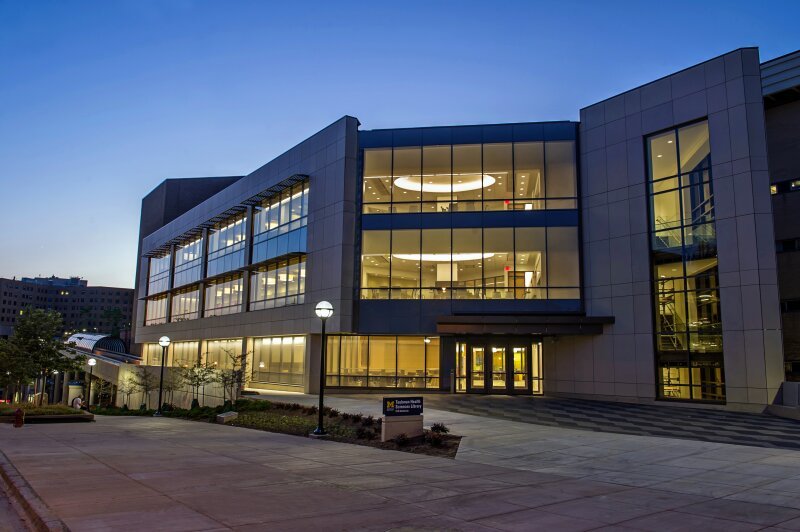
The University of Michigan Library system is one of the largest academic library systems in North America, providing access to millions of books, journals, archives, manuscripts, research databases, and digital resources.
- Extensive print collections
- Digital research databases
- Special collections and archives
- Collaborative study spaces
- Computer laboratories
- Research consultation services
- Academic writing support
Campus Life
Campus life at the University of Michigan is energetic, inclusive, and academically enriching. Students participate in thousands of activities that encourage leadership, creativity, community service, innovation, and personal development.
The university offers hundreds of student organizations representing academic interests, professional development, entrepreneurship, culture, sports, music, arts, volunteer service, and international communities.
Student Organizations
- Engineering student societies
- Business organizations
- Entrepreneurship clubs
- Debate teams
- Music and performing arts groups
- Cultural associations
- Volunteer organizations
- International student associations
- Technology clubs
- Research organizations
Athletics and Recreation
The University of Michigan is famous for its athletic tradition. Students enjoy modern recreation centers, fitness facilities, swimming pools, sports fields, tennis courts, and numerous intramural and varsity sports programs. The Michigan Wolverines compete successfully in the NCAA and have won numerous national championships.
Accommodation
Students can choose from a variety of on-campus residence halls, apartments, and themed housing communities. Housing options typically include furnished rooms, internet access, dining plans, study lounges, laundry facilities, and recreational spaces.
Many students also choose private apartments and shared accommodation near campus, benefiting from Ann Arbor’s student-friendly neighborhoods and public transportation.
Dining Services
The university offers multiple dining halls, cafés, coffee shops, and restaurants serving diverse international cuisines. Vegetarian, vegan, halal, gluten-free, and other dietary options are widely available.
International Students
The University of Michigan welcomes students from more than 120 countries and provides comprehensive support services including orientation programs, visa guidance, academic advising, English language support, cultural activities, and immigration assistance.
Study Abroad Opportunities
Students can participate in exchange programs, overseas internships, research collaborations, faculty-led study tours, and semester-long international study experiences through partnerships with universities around the world.
Innovation and Entrepreneurship
The university encourages innovation through startup incubators, technology transfer initiatives, entrepreneurship centers, business competitions, mentoring programs, and collaboration with industry leaders. Students have opportunities to transform research ideas into successful businesses.
Career Services
The University of Michigan Career Center assists students with career planning, internship opportunities, resume writing, interview preparation, networking events, employer recruitment programs, and graduate employment support.
Graduate Employability
Graduates of the University of Michigan are highly sought after by employers across the United States and internationally. Alumni work in technology companies, engineering firms, hospitals, financial institutions, consulting organizations, universities, government agencies, multinational corporations, and entrepreneurial ventures.
Notable Alumni
- Presidents and government leaders
- Nobel Prize winners
- Pulitzer Prize winners
- Leading scientists
- Engineers and innovators
- Business executives
- Judges and lawyers
- Olympic athletes
- Academics and researchers
- Successful entrepreneurs
Campus Facilities
The University of Michigan provides outstanding facilities that support teaching, research, innovation, athletics, healthcare, and student wellbeing. The university continually invests in modern infrastructure to provide an exceptional learning environment.
- Modern lecture halls and classrooms
- Advanced engineering laboratories
- Computer laboratories
- Research institutes and innovation centers
- Michigan Medicine teaching hospitals
- Extensive university libraries
- Student residence halls
- Sports stadiums and fitness centers
- Museums and art galleries
- Student activity centers
- Dining halls and cafés
- Health and counseling services
- Bookstores
- High-speed campus Wi-Fi
Technology and Digital Learning
The university integrates advanced technology into education through online learning systems, virtual classrooms, digital libraries, cloud-based collaboration tools, artificial intelligence research platforms, and high-performance computing resources. Students have access to software, online academic materials, and modern computing facilities throughout their studies.
Healthcare and Student Wellness
Student wellbeing is a priority at the University of Michigan. Comprehensive services include primary healthcare, mental health counseling, wellness workshops, disability support, nutrition guidance, health education, and peer support programs.
Living in Ann Arbor
Ann Arbor is consistently ranked among the best college towns in the United States. The city offers a safe, welcoming, and vibrant environment with parks, museums, theaters, restaurants, shopping districts, music festivals, and a strong technology and startup ecosystem.
Advantages of Studying in Ann Arbor
- Safe and student-friendly community
- Excellent public transportation
- Strong technology and innovation sector
- Beautiful parks and outdoor recreation
- Rich arts and cultural activities
- Numerous internship opportunities
- High quality of life
- Diverse international community
Internships and Practical Learning
Many academic programs include internships, research placements, clinical training, cooperative education, design projects, laboratory experience, and industry partnerships. These opportunities help students gain practical experience while building valuable professional networks.
Global Partnerships
The University of Michigan collaborates with hundreds of universities, research institutes, corporations, hospitals, and international organizations worldwide. These partnerships support student exchanges, joint research projects, faculty collaboration, international internships, and dual-degree opportunities.
Sustainability Initiatives
The university is committed to environmental sustainability through renewable energy projects, sustainable campus planning, green buildings, recycling programs, climate research, biodiversity conservation, and responsible resource management.
Support Services
- Academic advising
- Career counseling
- Writing and tutoring services
- International student support
- Visa and immigration guidance
- Disability services
- Financial aid counseling
- Peer mentoring programs
- Leadership development
- Health and wellness support
Application Tips
- Research your preferred academic program carefully.
- Review admission requirements before applying.
- Prepare official academic transcripts early.
- Meet English language proficiency requirements.
- Write a strong personal statement or essays.
- Request recommendation letters well in advance.
- Apply before official deadlines.
- Apply early for scholarships and financial aid.
- Monitor your application status regularly.
- Arrange accommodation after receiving admission.
Interesting Facts About the University of Michigan
- Founded in 1817, it is one of the oldest public universities in the United States.
- It is consistently ranked among the world’s leading public research universities.
- The university has more than 50,000 students.
- Its alumni include Nobel Prize winners, astronauts, business leaders, and government officials.
- Michigan Stadium is one of the largest stadiums in the world.
- The university is internationally recognized for engineering, medicine, business, and computer science.
- Students represent more than 120 countries.
- The university maintains one of the largest academic library systems in North America.
Future Vision
The University of Michigan continues to expand its global impact through investments in interdisciplinary research, digital education, artificial intelligence, healthcare innovation, sustainability, entrepreneurship, and international collaboration. The university remains committed to preparing future leaders who will address complex global challenges through knowledge, creativity, and responsible leadership.