Introduction
Kyoto University is one of Japan’s oldest, most prestigious, and internationally respected public research universities. Located in Kyoto, Japan’s historic cultural capital, the university is renowned for its academic excellence, groundbreaking scientific discoveries, innovative research, and commitment to intellectual freedom. Since its establishment in 1897, Kyoto University has produced influential scientists, Nobel Prize winners, government leaders, entrepreneurs, engineers, physicians, and scholars who have made significant contributions to society.
Recognized as one of Asia’s leading universities, Kyoto University consistently ranks among the top higher education institutions in the world. The university offers a broad range of undergraduate, master’s, doctoral, and professional degree programs across the humanities, social sciences, engineering, medicine, agriculture, natural sciences, education, economics, and information technology.
Kyoto University places strong emphasis on independent thinking, creativity, interdisciplinary learning, and original research. Students are encouraged to explore new ideas, conduct innovative research, and contribute to solving global challenges through scientific discovery and technological advancement.
With modern research facilities, internationally recognized faculty members, extensive global partnerships, and a vibrant academic community, Kyoto University attracts talented students from more than 100 countries. Studying at Kyoto University offers the opportunity to experience world-class education while living in one of Japan’s most culturally significant and historically rich cities.
History of Kyoto University
Kyoto University was founded in 1897 as Kyoto Imperial University, becoming the second imperial university established in Japan. It was created to promote higher education, scientific research, and national development during Japan’s modernization period.
Throughout the twentieth century, the university expanded its academic departments, research institutes, and international collaborations. Following World War II, it adopted its current name, Kyoto University, and continued developing into one of the world’s leading research-intensive universities.
Kyoto University has earned international recognition for producing numerous Nobel Prize laureates, Fields Medal winners, Lasker Award recipients, and other distinguished scholars. Its long tradition of academic independence and scientific excellence continues to shape its reputation today.
University Overview
- Official Name: Kyoto University
- Established: 1897
- Type: National Public Research University
- Location: Kyoto, Japan
- Academic Calendar: Semester System
- Language of Instruction: Japanese and selected English programs
- International Students: Thousands from over 100 countries
- Research Focus: Science, Engineering, Medicine, Humanities, and Social Sciences
Why Choose Kyoto University?
- One of Japan’s highest-ranked universities.
- Internationally respected academic reputation.
- Strong emphasis on independent research.
- Outstanding faculty and Nobel Prize-winning scholars.
- Excellent graduate employability.
- Modern laboratories and research centers.
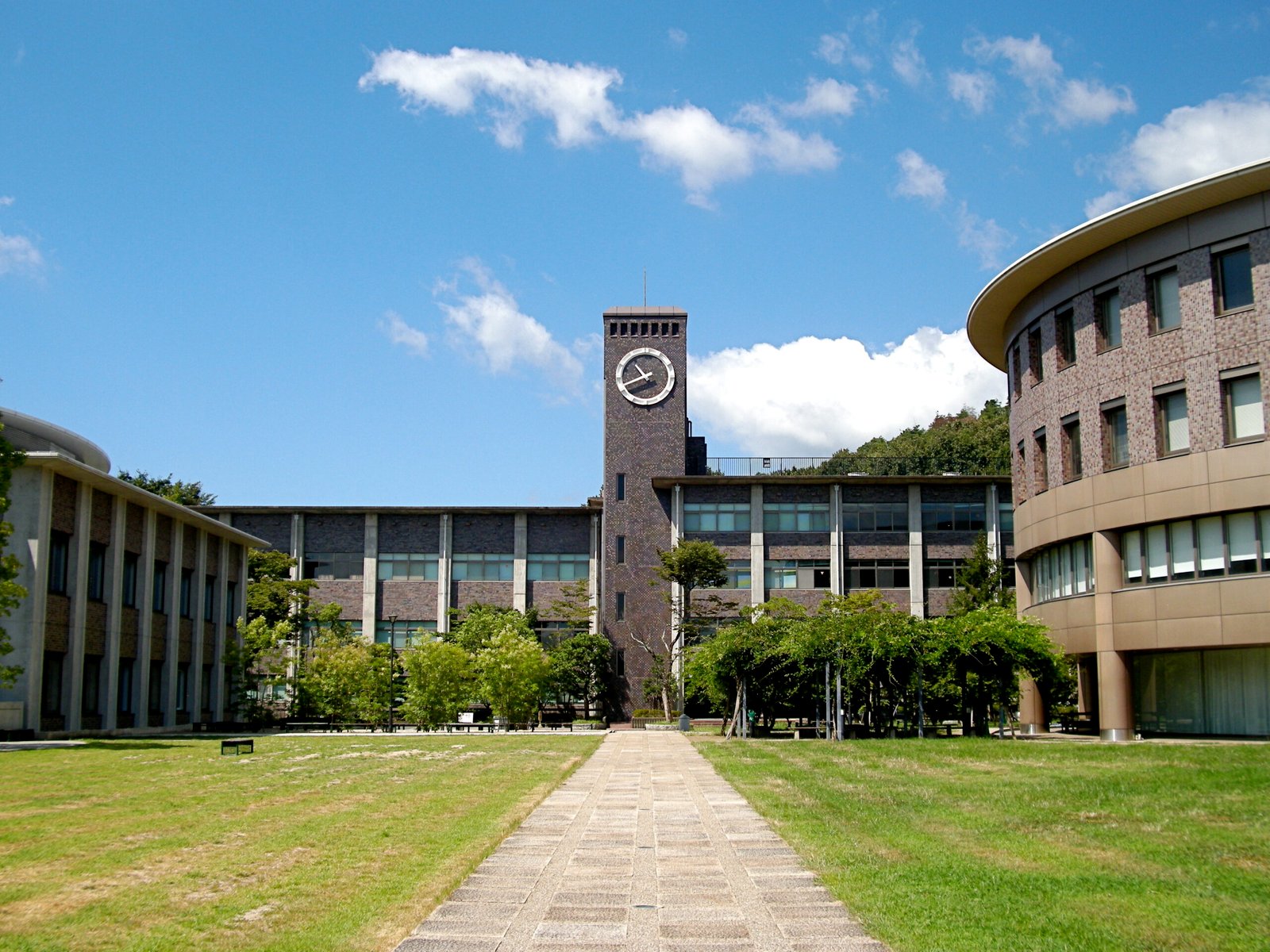
- Beautiful campuses with historic surroundings.
- Extensive international exchange opportunities.
- Wide range of academic disciplines.
- Rich cultural environment in Kyoto.
Global Rankings
Kyoto University consistently appears among the world’s leading universities in major international ranking systems due to its academic quality, research achievements, and global reputation.
- QS World University Rankings: Frequently among the world’s Top 100 universities.
- Times Higher Education World University Rankings: Highly ranked for research and teaching.
- Academic Ranking of World Universities (ARWU): Recognized for scientific excellence.
- One of Japan’s leading universities.
- Internationally recognized across numerous academic disciplines.
Campus Locations
Yoshida Campus
The Yoshida Campus serves as the university’s main campus and houses numerous faculties, libraries, research institutes, museums, administrative offices, and student facilities.
Uji Campus
Uji Campus focuses on advanced scientific research, energy studies, engineering, information technology, and interdisciplinary innovation.
Katsura Campus
Katsura Campus is dedicated primarily to engineering and technology, featuring modern laboratories, research centers, and collaborative innovation facilities.
Academic Structure
Kyoto University consists of numerous faculties, graduate schools, and research institutes that provide education across a wide range of disciplines.
Faculty of Engineering
Offers programs in civil engineering, mechanical engineering, electrical engineering, chemical engineering, aerospace engineering, environmental engineering, and materials science.
Faculty of Medicine
Provides education in medicine, biomedical sciences, public health, clinical research, and healthcare innovation.
Faculty of Science
Students study mathematics, chemistry, biology, physics, geology, astronomy, and earth sciences using advanced laboratories and research facilities.
Faculty of Agriculture
Programs include agricultural science, biotechnology, food science, forestry, environmental conservation, and sustainable resource management.
Faculty of Economics
Students gain knowledge in economics, finance, business policy, international trade, and economic development.
Faculty of Law
Offers education in constitutional law, commercial law, international law, criminal law, and legal studies.
Faculty of Letters
Students explore philosophy, history, literature, linguistics, cultural studies, psychology, and archaeology.
Popular Academic Programs
- Medicine
- Computer Science
- Artificial Intelligence
- Data Science
- Mechanical Engineering
- Civil Engineering
- Electrical Engineering
- Chemical Engineering
- Physics
- Chemistry
- Mathematics
- Biology
- Biotechnology
- Agricultural Science
- Environmental Science
- Economics
- Law
- Psychology
- Philosophy
- International Studies
Admissions
Undergraduate Admission
Applicants are generally required to submit recognized secondary school qualifications, academic transcripts, proof of language proficiency, passport identification, and additional documents required by individual programs. Some programs may require entrance examinations or interviews.
Graduate Admission
Master’s applicants usually need a recognized bachelor’s degree in a relevant discipline. Programs may require recommendation letters, a statement of purpose, academic transcripts, and interviews.
Doctoral Admission
PhD applicants generally submit a research proposal, curriculum vitae, recommendation letters, academic records, and evidence of previous research experience.
Language Requirements
Most undergraduate programs are taught in Japanese and may require Japanese language proficiency. Selected graduate and international programs are offered in English and generally require IELTS, TOEFL, or equivalent English-language qualifications.
Tuition Fees
Tuition fees at Kyoto University vary depending on the degree level and program. Students should also budget for accommodation, health insurance, books, transportation, meals, and daily living expenses while studying in Kyoto.
Scholarships
- Japanese Government (MEXT) Scholarship
- Kyoto University International Scholarship
- JASSO Scholarship
- Faculty Scholarships
- Research Scholarships
- Private Foundation Scholarships
- Merit-Based Awards
Research Excellence
Kyoto University is internationally recognized for groundbreaking research in medicine, physics, chemistry, engineering, artificial intelligence, environmental science, biotechnology, renewable energy, neuroscience, and advanced materials.
The university operates numerous research institutes, national laboratories, innovation centers, and interdisciplinary research facilities. Faculty members collaborate with governments, industries, hospitals, and international universities to address global scientific and technological challenges.
Many Nobel Prize-winning discoveries have originated from research conducted at Kyoto University, highlighting its significant contribution to scientific progress.
International Partnerships
Kyoto University maintains partnerships with leading universities and research institutions across Asia, Europe, North America, Australia, and other regions. These collaborations support student exchanges, dual-degree programs, international research projects, and academic conferences.
Student Life
Student life at Kyoto University is intellectually stimulating and culturally rich. Students participate in academic societies, sports clubs, cultural organizations, volunteer activities, music groups, language exchanges, and entrepreneurship competitions.
Living in Kyoto offers students access to historic temples, traditional festivals, museums, gardens, cultural events, and modern urban amenities. The city’s unique combination of tradition and innovation creates an inspiring environment for higher education.
Accommodation
Kyoto University provides student residences for domestic and international students, along with assistance in finding private accommodation. Housing options generally include furnished rooms, internet access, study areas, shared kitchens, and community facilities.
Libraries and Learning Resources
The university’s library system contains millions of printed books, academic journals, digital databases, historical manuscripts, multimedia collections, and collaborative study spaces. Students also benefit from advanced computing facilities and online learning resources.
Career Opportunities
Graduates of Kyoto University are employed by multinational corporations, government agencies, research institutes, universities, hospitals, financial institutions, engineering firms, technology companies, and international organizations. The university’s Career Support Center assists students through internships, employer networking events, career counseling, and recruitment programs.
Campus Facilities
- Modern classrooms
- Advanced research laboratories
- Medical teaching hospitals
- Innovation and entrepreneurship centers
- Extensive libraries
- Computer laboratories
- Sports and fitness facilities
- Student activity centers
- Museums and cultural facilities
- Dining halls and cafés
- Health and counseling services
- High-speed campus Wi-Fi
Support for International Students
Kyoto University offers comprehensive support services for international students, including orientation programs, visa guidance, academic advising, Japanese language courses, counseling services, career development, housing assistance, health services, and cultural exchange activities to help students adapt successfully to university life in Japan.
Application Tips
- Review admission requirements carefully before applying.
- Prepare certified academic transcripts and certificates.
- Meet Japanese or English language requirements.
- Write a strong personal statement or research proposal.
- Apply early for scholarships.
- Submit all required documents before application deadlines.
- Arrange accommodation after receiving admission.
- Keep copies of all application materials for future reference.